Devotion
The other wing of the inquiry
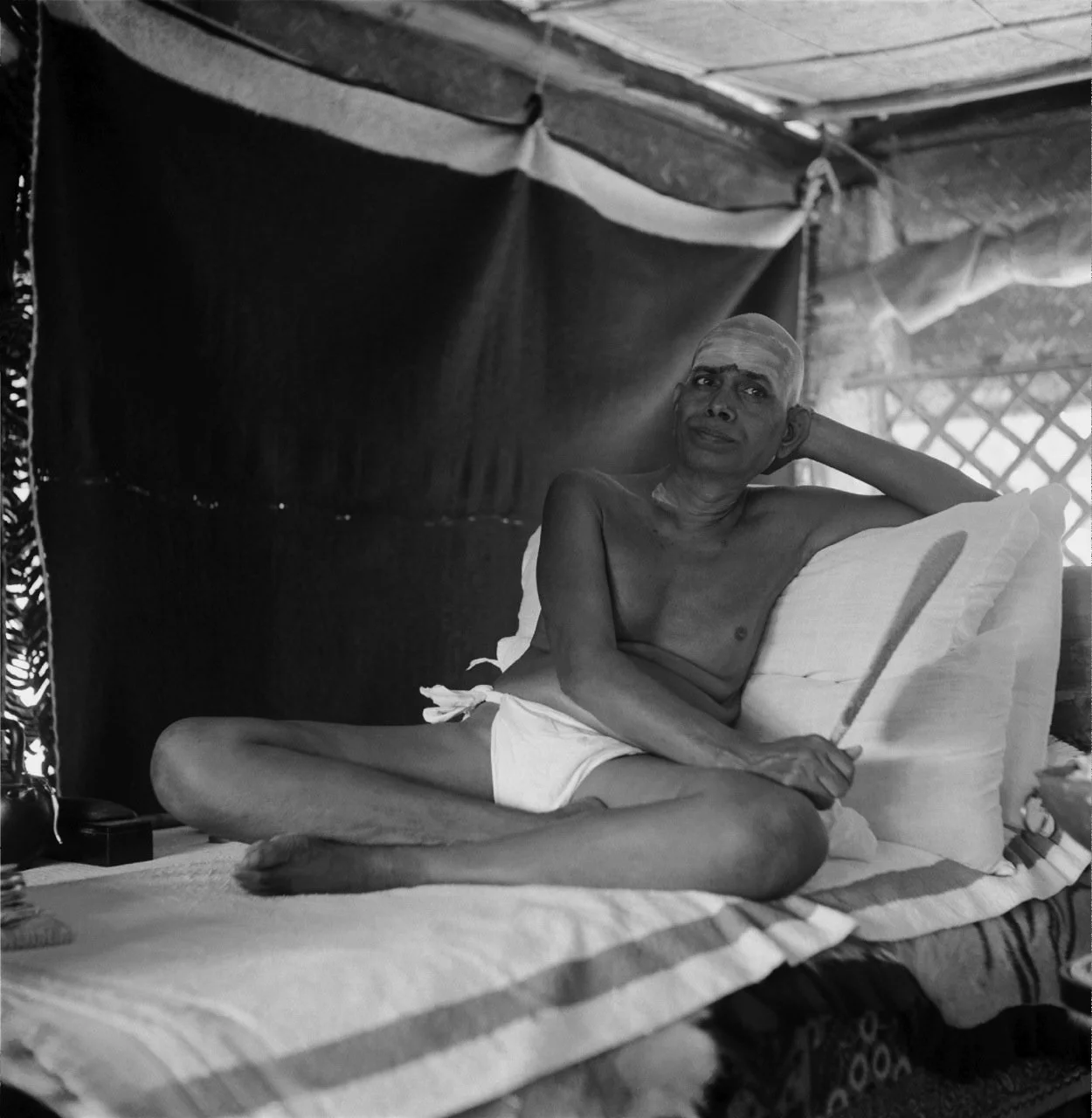
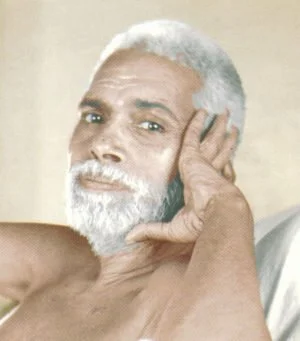
Sri Ramana Maharshi taught two paths — and insisted, to those who looked carefully, that they were one.
The first is jnana — the direct inquiry into the nature of the Self. The second is bhakti — devotion, surrender, the melting of the separate self in the love of the Divine. Most seekers encounter them as distinct — the intellectual rigour of Self-Enquiry on one side, the warmth of devotional practice on the other. Bhagavan dissolved that distinction with characteristic precision:
"Surrender to God or to the Guru is only surrender to the Self. The two paths — inquiry and surrender — are like the two wings of a bird. The bird cannot fly on one wing alone."
What Bhagavan pointed to was this: that genuine devotion is not a lesser path for those who cannot manage the directness of inquiry. It is the very quality that makes the inquiry possible. A mind that is hard, defended, and full of its own understanding cannot receive what Bhagavan's teaching offers. A mind softened by devotion — by the daily practice of turning toward Bhagavan with love, singing his names, chanting his own words — becomes like the still water in which the reflection of the Self can be clearly seen.
This is not sentimental spirituality. It is precise preparation. Bhagavan himself composed devotional verses of extraordinary beauty. He sang them. He asked that they be sung. The chanting of these texts is not separate from the inquiry — it is the inquiry in its most heart-centred form.
Three sacred texts — three doorways of devotion
Sri Ramana Ashtottaram
108 Names of Bhagavan Sri Ramana Maharshi
The Ashtottaram — the 108 names — is the most direct form of devotional chanting in the Ramana tradition. Each name is a precise pointer: not merely a title but a description of what Bhagavan is, what he embodies, what he offers to those who turn toward him.
Akshara Mana Malai
The Marital Garland of Letters — Bhagavan's Hymn to Arunachala
Of all Bhagavan Sri Ramana Maharshi's compositions, Akshara Mana Malai — the Marital Garland of Letters — is perhaps the most breathtaking in its devotional intensity. It is a hymn to Arunachala — the sacred hill — composed in the form of a bride's longing for union with her beloved. It was composed by Bhagavan himself as he walked the streets of Tiruvannamalai, and local devotees followed him, learning each verse as he sang it aloud.
The 108 verses of the Akshara Mana Malai are simultaneously a devotional outpouring and a precise map of the spiritual journey — from the first turning toward the Divine, through the anguish of apparent separation, to the final dissolution of the lover into the beloved. To chant it is to walk that journey with Bhagavan as the guide.
Upadesa Saram
The Essence of Instruction — chanted as devotional practice
Upadesa Saram — the Essence of Instruction — is the most philosophically concentrated of Bhagavan's compositions. Thirty verses in classical Tamil, placing every spiritual path in its proper order and distilling the entire teaching of Advaita into a single, irrefutable movement. It is studied in the Advanced tier of The Pathless Path as a philosophical text.