Who are you, really?
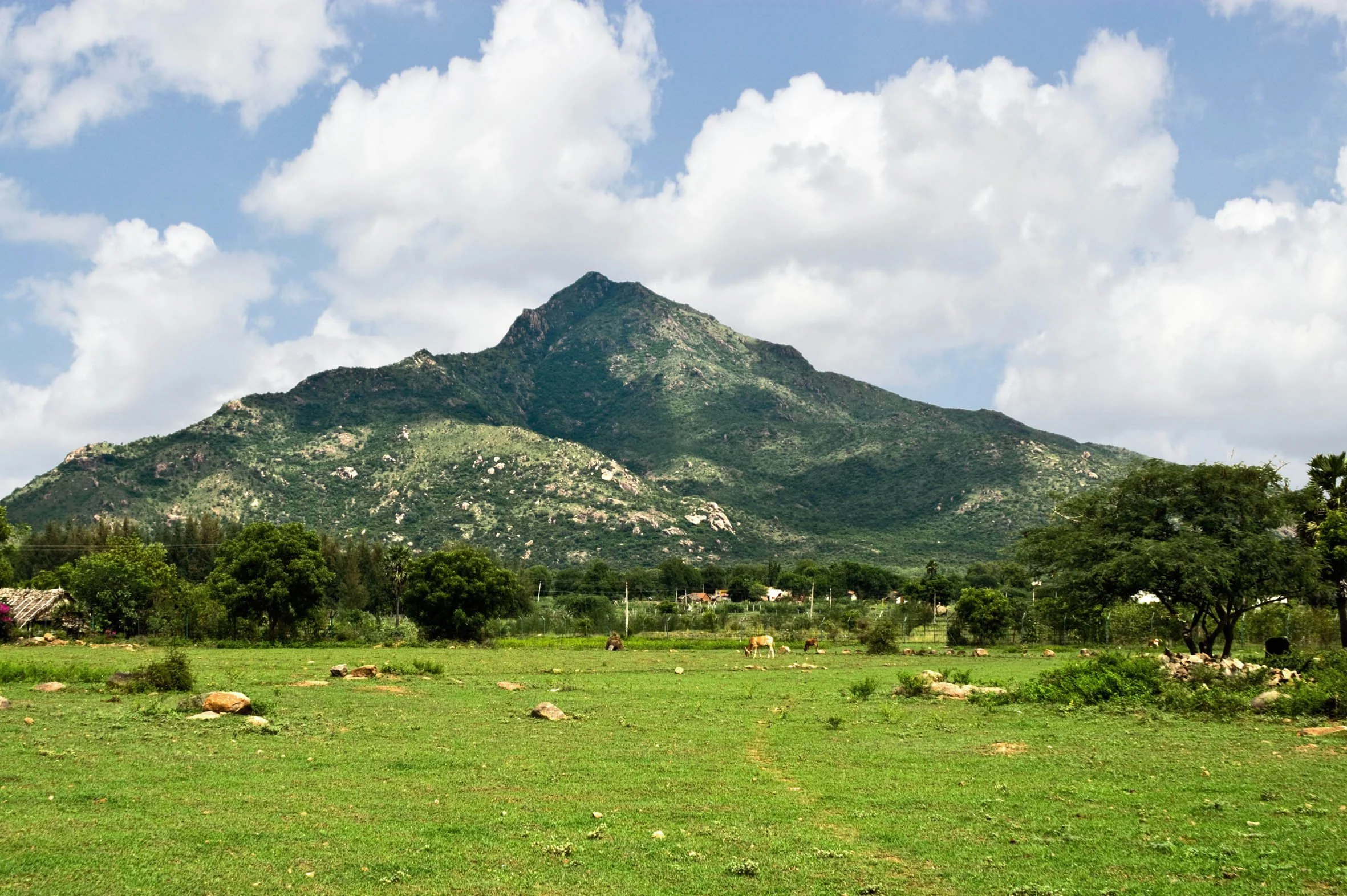
For over a century, one question — asked in silence on a sacred hill in Tamil Nadu — has pointed countless seekers to the most direct recognition available to a human being. "Who am I?" Not as a riddle. Not as philosophy. As a living inquiry into the nature of the one who is asking.
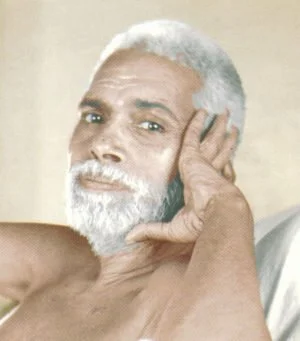
Timeless in Time is a sanctuary for the teachings of Bhagavan Sri Ramana Maharshi — brought to you from the sacred slopes of Arunachala, where he lived, taught, and embodied the Self for over fifty years. Six complete pathways, from foundational to advanced, offer a structured yet living journey into the heart of his teaching.
The mountain remains. The silence remains. The question remains.
Self Enquiry Offerings
-
Most coaching asks: how do I get there? This inquiry asks: who is trying to get there?
Antarmukha — the inward-facing — is Adi Sankara's word for the single most important turn a seeker can make: from the outward movement of attention toward objects, back toward the awareness from which all attention arises. One-to-one session are a sustained, personal practice of exactly this turning — guided through the three pathways of The Pathless Path, at the pace and depth that the individual inquiry requires.
The sessions do not solve. They see through.
What becomes possible:
The direct seeing of the "I" that seeks, suffers, and strives and what lies prior to it
The loosening of the deepest vasanas — the habitual tendencies that no amount of self-improvement reaches
Abidance in the awareness that was never absent — recognised now as your own natural ground
The living inquiry of The Pathless Path — not as a study, but as a way of being
The question is not asked once. It is kept burning — until the questioner dissolves.
Sessions held online or in person at Arunachala.
-
The Buddha said it plainly: the noble friend — the kalyanamitra — is not half the holy life. It is the whole of it.
Some things the solitary inquiry cannot show us. Not because the Self requires company — it does not — but because the sincere presence of fellow-travellers accelerates what practice alone can only approach slowly. The assumptions we carry, the patterns we protect, the subtle movements of the "I" that individual inquiry quietly accommodates — these become visible, and therefore workable, in the light of shared inquiry.
Each session opens with a pointer from The Pathless Path, moves into guided Self-Enquiry and silence, and closes with open dialogue.
What becomes possible:
Seeing through the "I" that conflicts, competes, and protects
Silence that is shared — and therefore deeper than solitary silence
Inquiry that moves from preparation into the living question and sometimes into the stillness where even the question dissolves
The companionship of kalyanamitras — noble friends who hold the inquiry honestly, without performance or conclusion
A group that inquires together is changed together — not by what is said, but by what is seen.
Half-day intensives, monthly sessions, retreat-based engagements — online or in person at Arunachala
Why We’re Here - Our Mission
Self-Enquiry is not a technique to be learned or a tradition to be joined. It is the most direct recognition available to a human being — that the one who is seeking and the one who is sought are not two. Yet for most people, this recognition remains a distant idea rather than a living reality. We are here to close that distance.
Timeless in Time exists to bring Bhagavan Sri Ramana Maharshi's teachings home — into ordinary life, ordinary moments, ordinary minds. Through six carefully structured pathways, we offer complete entry points for every stage of the journey: foundational clarity for those just arriving at the question, intermediate depth for those ready to investigate the nature of perception and the mind, and advanced immersion for those in whom the enquiry has already become a fire.
We hold this enquiry one-to-one through Antarmukha — the sustained, inward-facing practice with Timeless in Time self enquiry practitioners and coaches — and collectively through Kalyanamitra — the noble companionship in shared inquiry. Every doorway is open, and no prior knowledge of Advaita, Vedanta, or any tradition is required.
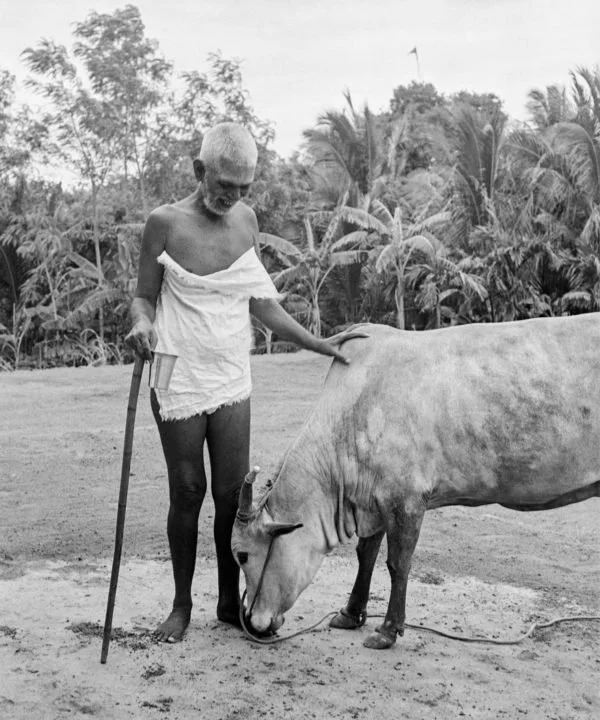
Ramana Maharshi received visitors for over fifty years on the slopes of Arunachala — scholars and farmers, sannyasis and householders, the learned and the utterly simple — and to each one he gave the same pointing. The question does not belong to any tradition. It requires only the genuine wish to know what you are.
"The question 'Who am I?' belongs to every human being willing to ask it."
That wish is the beginning. And in a certain sense, it is also the end.